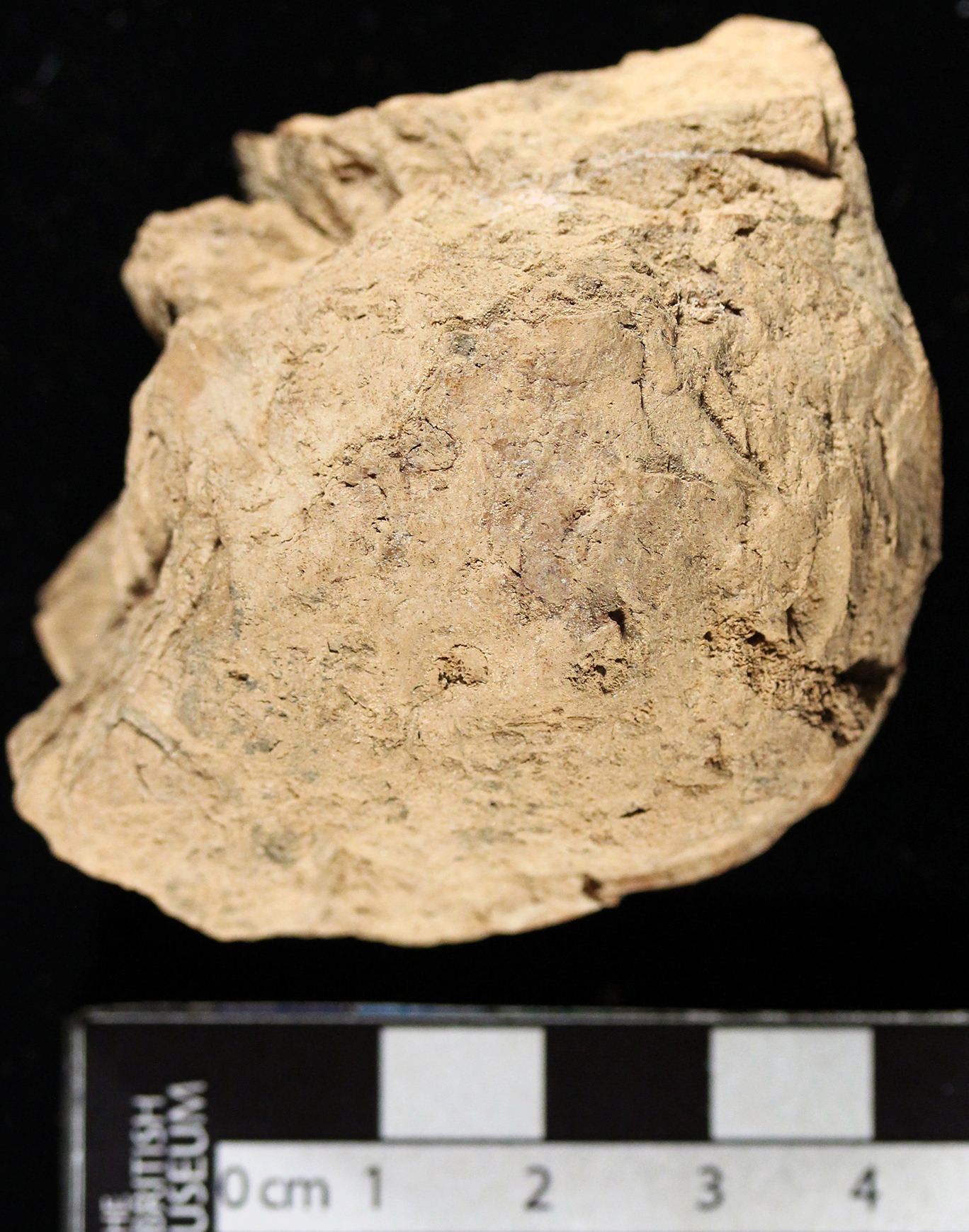
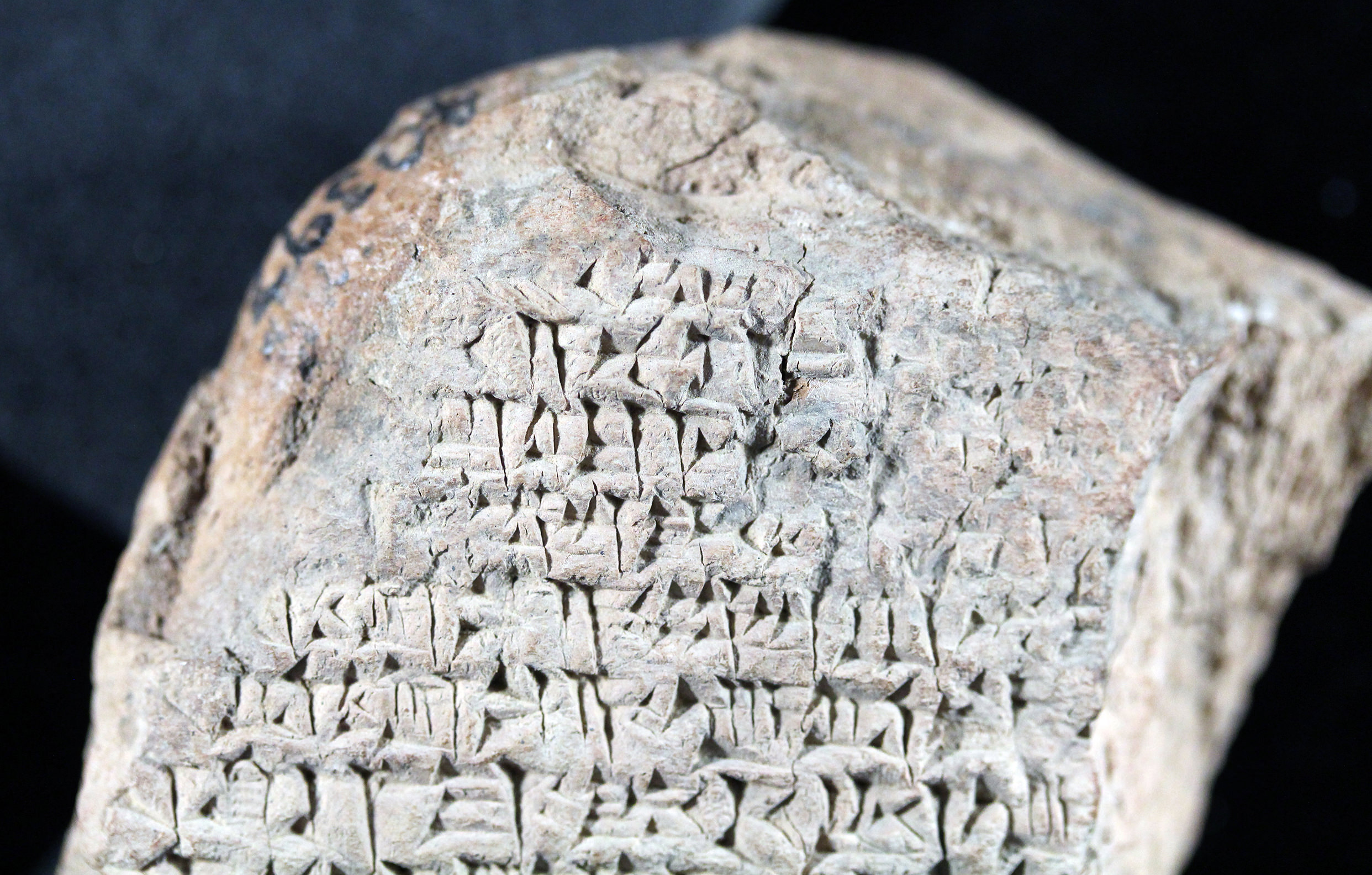
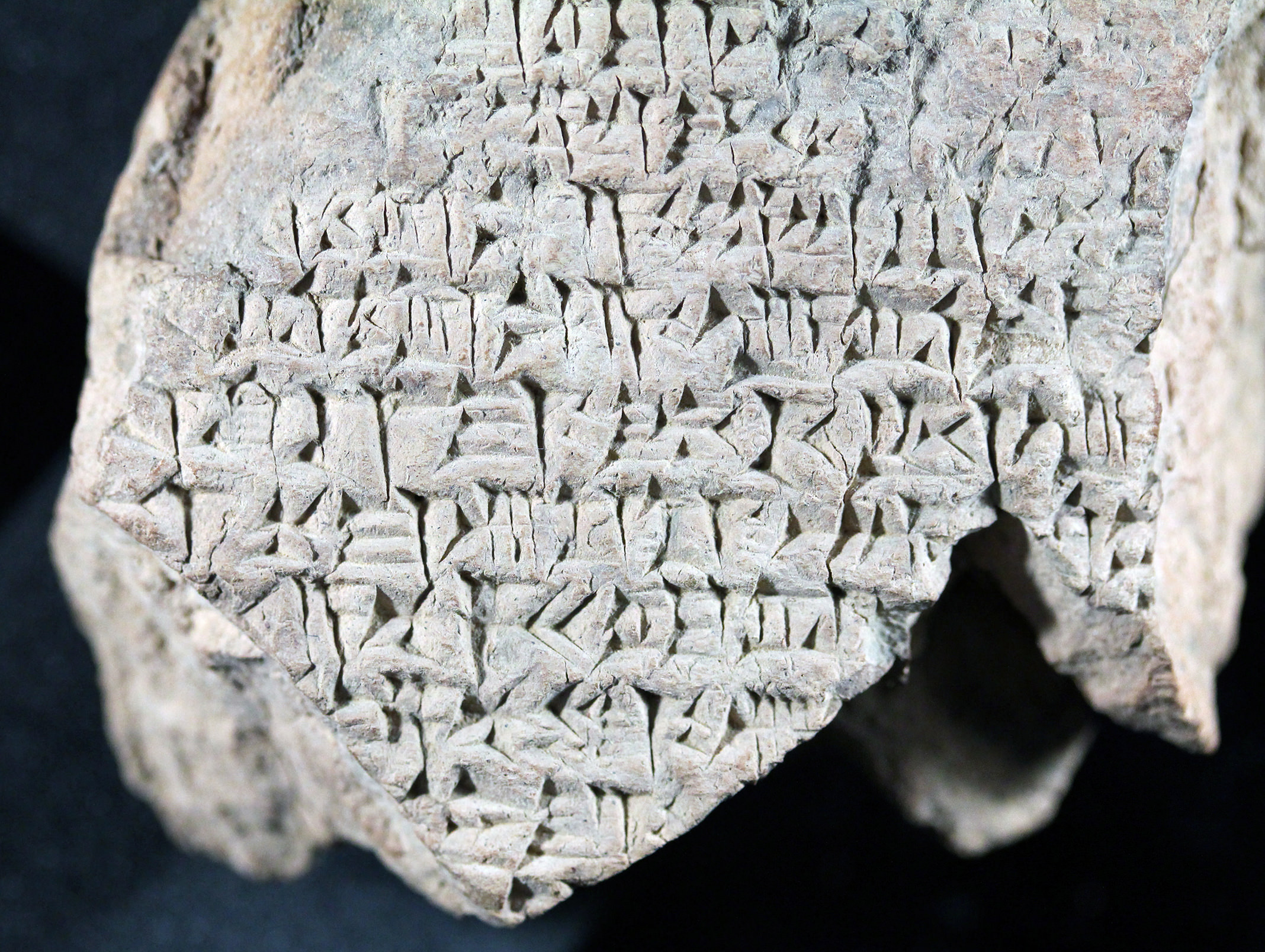
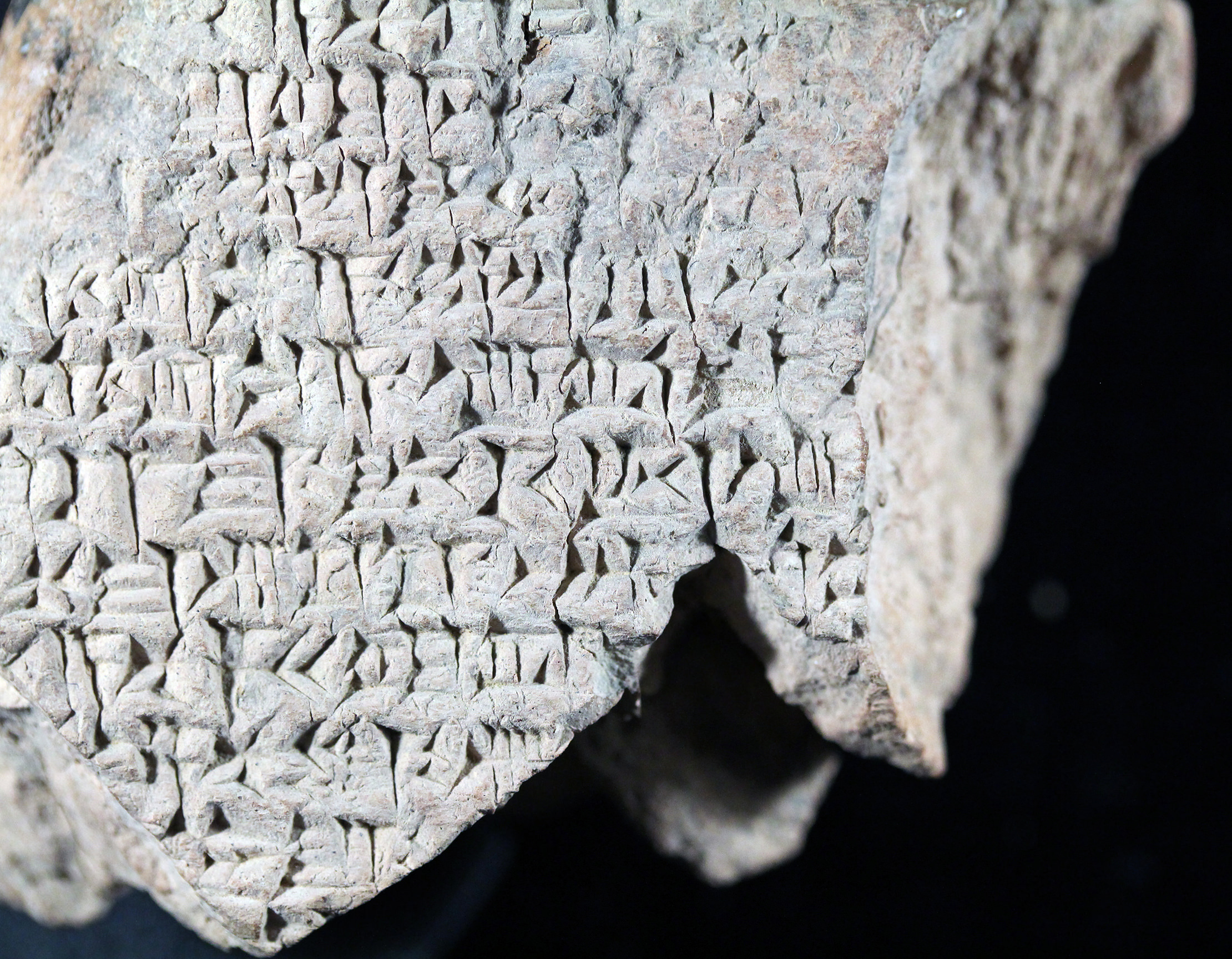
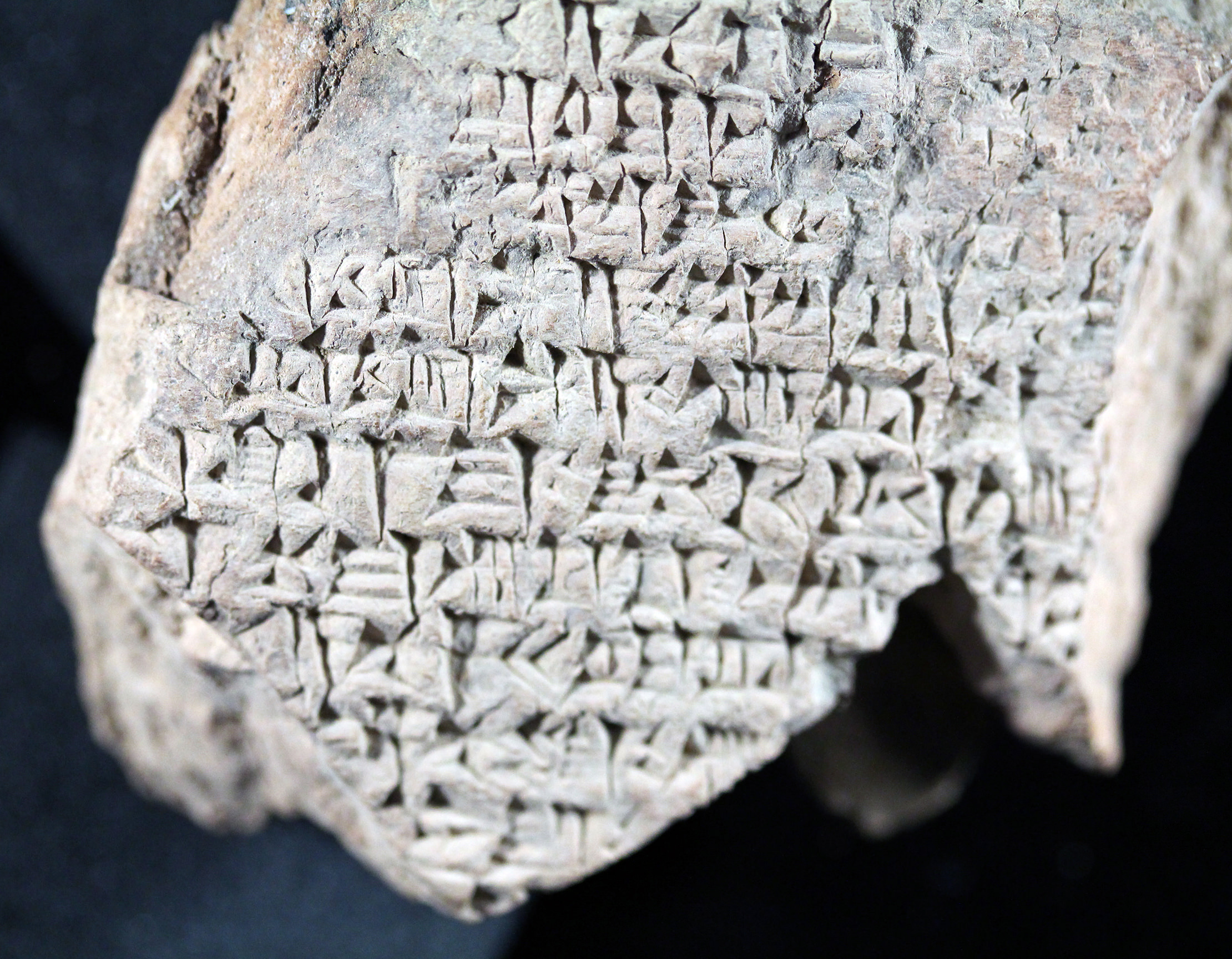
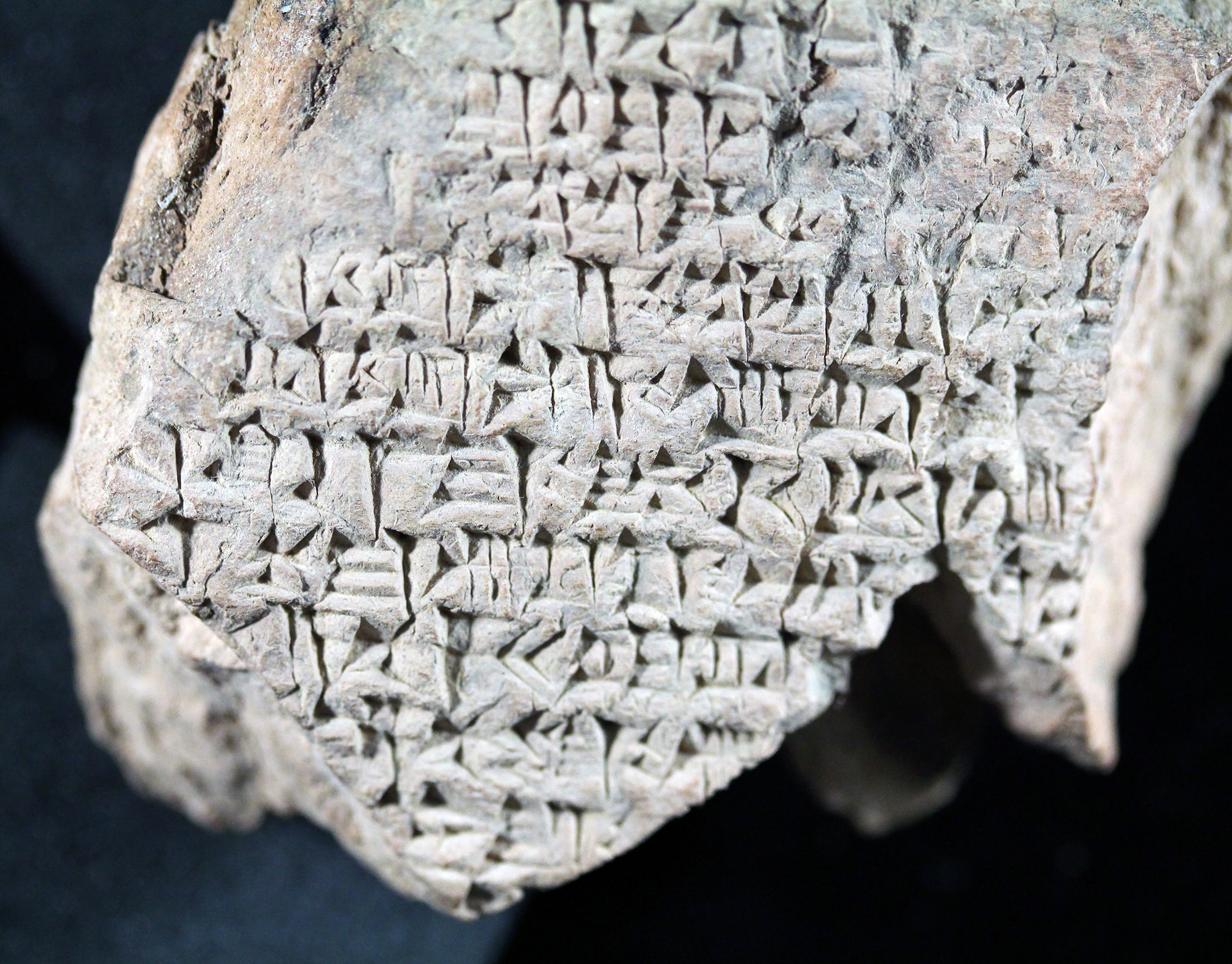
CCP 3.1.58.C.e - Enūma Anu Enlil 58(59)-62(63) Group C C


Catalogue information
British Museum
BM 40397
81-3-24,264
Babylon›(Babylon)
CDLI: 
P461184
Commentary
Divination›Astrological. Enūma Anu Enlil

Broken

Base text: 
Enūma Anu Enlil 58(59)-62(63) Group C
Commentary no: 
C
Tablet information
Babylonian
Fragment
Columns: 
1 (or >)
Lines: 
12
Neo/Late Babylonian, specifics unknown
Record
Jiménez, 06/2016 (Transliteration)
Jiménez, 06/2016 (Translation)
Jiménez, 06/2016 (Introduction)
Jiménez, 08/2016 (Commentary markup)
By Enrique Jiménez | Make a correction or suggestion
How to cite
Jiménez, E., 2016, “Commentary on Enūma Anu Enlil 58(59)-62(63) Group C (CCP 3.1.58.C.e),” Cuneiform Commentaries Project (E. Frahm, E. Jiménez, M. Frazer, and K. Wagensonner), 2013–2026; accessed September 27, 2026, at https://ccp.yale.edu/P461184. DOI: 10079/nzs7hh2
© Cuneiform Commentaries Project (Citation Guidelines)
Introduction

This fragment preserves remains on a commentary on omens relating to the planet Venus. The tablet belongs to the British Museum’s “Babylon Collection,” and parallels a passage from a section of Enūma Anu Enlil dealing with Venus omens (see the textual notes below). It may be part of the commentary BM 42916+ (CCP 3.1.58.C.f).

Edition

Powered by Oracc
(Base text – Commentary – Quotations from other texts)

ccpo

BM 040397[via ccpo]

Obverse
1'1'

[...] ⸢x⸣ u ⸢MUL⸣ [...]

[...] ... and the star [...]

2'2'

[... ṣal]-⸢bat⸣-a-nu ⸢KU x x⸣ [...]

[... M]ars ... [...]

3'3'

[...] ⸢ù⸣ SAG.ME.GAR : ⸢x x x x⸣ [...]

[...] and Jupiter ... [...]

4'4'

[...] ⸢x⸣ ⸢:⸣ MUL GAL UGU-⸢šá DU x⸣ [...]1

[...] ... (variant:) a big star stands over it ... [...]

5'5'

[... iš]-⸢ta⸣-naq-qa-a : MUL NIGINát-⸢ma⸣ [...]2

[... keeps going h]igher (variant:) it is surrounded by stars [...]

6'6'

[... iš]-ta-naq-qa-a : SA₅ ta-⸢kip⸣ ⸢:⸣ [...]3

[... keeps g]oing higher (variant:) it is dotted with red [...]

7'7'

[...] x KI-šú LÁ-ma : ZAG-šú u GÙB SA₅ [tuk-kup ...]4

[...] ... is high with it (variant:) it right side and left side [are dotted] with red [...]

8'8'

[* muldil-bat ina itiGU₄ ina dUTU].⸢È⸣ KUR-ma TÙR NIGIN : ina d⸢UTU.È⸣ [...]5

[If Venus in the month Ayyāru (II) rises in the ea]st and is surrounded by a halo (variant:) in the east [...]

9'9'

[... ṣal]-⸢bat⸣-a-nu šá-niš SAG.UŠ [...]

[... Ma]rs, alternatively, Saturn [...]

10'10'

[...] ⸢:⸣ un-nu-tu : ⸢TÙR⸣ [...]

[...] means “faint.” A halo [...]

11'11'

[...]-⸢as⸣-su : [...]

...

12'12'

[...] ⸢x⸣ [...]

...

1Compare EAE 59-60 Group C ii 4 (BPO 3 p. 112): ¶ muldil-bat ina itiGU₄ IGI-ma ŠE.ER.ZI-šá NU GÁL-MEŠ : ma-aq-tu₄ U₄.4.KAM : ⸢MUL⸣ GAL UGU-šá DU : MUL-(MEŠ) NIGINat-ma ù MUL TUR UGU-šá DUiz : MUL-ME NIGINat-ma u UL.⸢GAL? x x x UGU⸣-šá DU⸢iz?⸣ LUGAL KUR la šu-a-tu₄ : KUR šu-a-tu₄ ŠU-su KURád, “If Venus is seen in month II and her rays are not there, variant: fall, (for?) three days she is surrounded by stars and a small star stands above her: the king will conquer a land that is not his, variant: that land, his son will (not) seize the throne.”

2The form iš-ta-naq-qa-a (šaqû Gtn) is attested very commonly in Venus omens: see CAD Š/2 20b.

3Compare EAE 59-60 Group C ii 6 (BPO 3 p. 113): ¶ muldil-bat ina U₄.14.KAM KIMIN U₄.15.KAM KIMIN U₄.16.KAM ZAG-šá SA₅ ta-kip : tir-ku ṣa-rip KUR ḪUL IGImar, “If Venus on the 14th, variant: 15th, variant: 16th, her right side is dotted with red, variant: colored red by a dark spot: the land will see evil.”

4Compare EAE 59-60 Group C ii 8 (BPO 3 p. 114): ¶ muldil-bat ina U₄.14.KAM KIMIN U₄.15.KAM KIMIN U₄.16.KAM ZAG-šá u GÙB-šá SA₅ tuk-kup (KIMIN ta-kip) KUR šá ḪÉ.NUN IGI ḪUL IGI šá ḪUL IGI ḪÉ.NUN IGI, “If Venus on the 14th, variant: 15th, variant: 16th, her right side and left side are dotted with red: the land which has seen plenty will see evil, which has seen evil will see plenty.”

5Compare EAE 59-60 Group C ii 9 (BPO 3 p. 114): ¶ muldil-bat ina itiGU₄ ina dUTU.È KUR-ma TÙR NÍGIN LUGAL NIM.MAki me-si-ra IGI, “If Venus in month II rises in the East and is surrounded by a halo: the king of Elam will experience hemming in.”

Photos by Enrique Jiménez

Courtesy of the Trustees of the British Museum